Learn. Protect. Empower.

Discover step-by-step guides to help you navigate the digital world safely. From securing your devices to teaching kids about cyber threats, our goal is to help you make online safety simple and actionable.

Featured Safety Guides

Guides

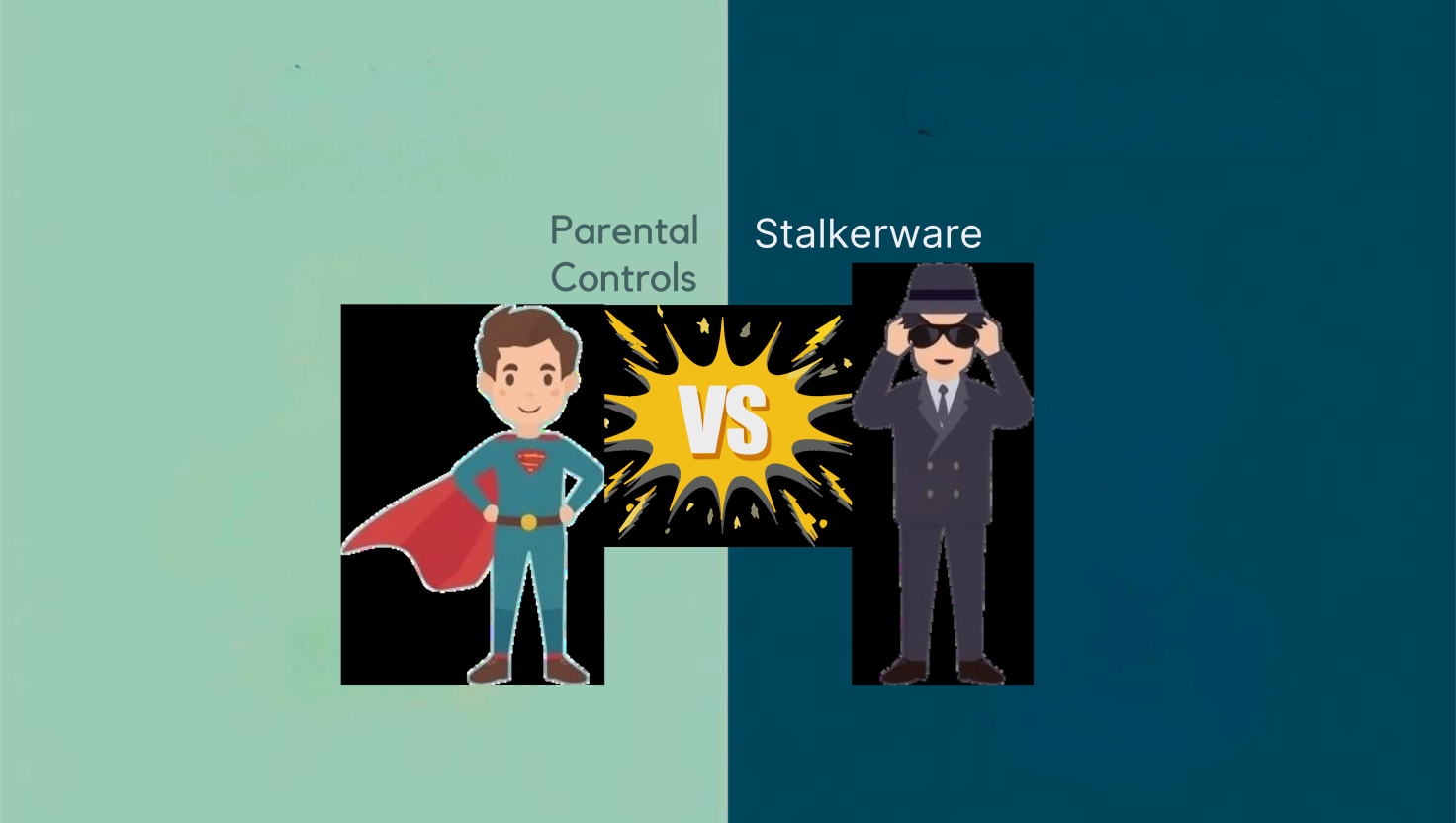
Learn what stalkerware means, which phone and account checks can help, and why your safety comes first when deciding whether to remove unwanted access.
A practical explanation of AI companions, their memory and romantic features, intimate data, attachment, teen risks and boundaries in human relationships.
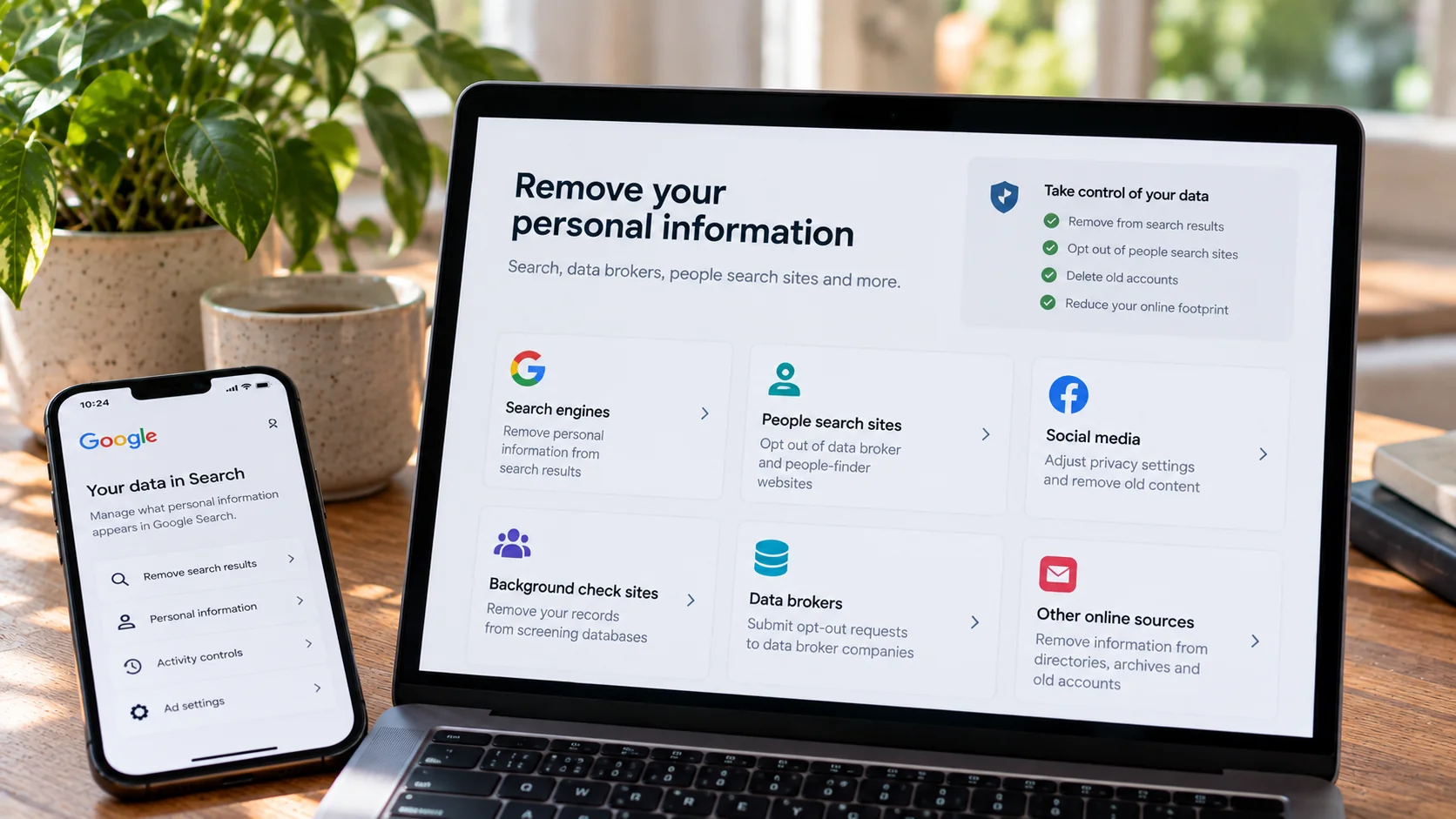
You probably can't erase every trace of yourself from the internet, but you can reduce how easily your address, phone number, email and other personal details can be found. I'd start here.
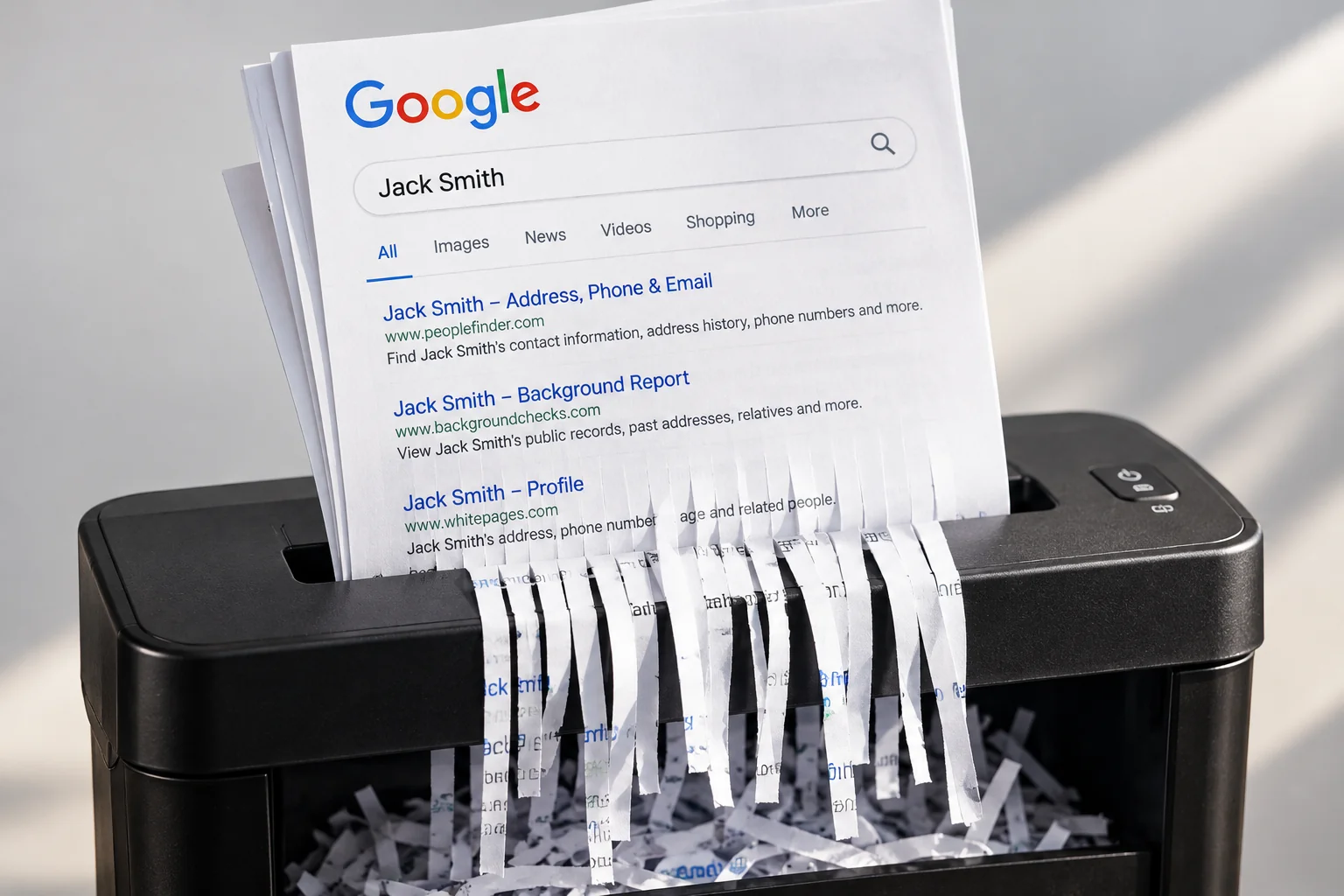
People search profiles can make your address, phone number and other public information much easier to find. Most major services let you opt out for free, but removal is rarely a one-and-done job.
Google can remove some personal information from its search results, but that doesn't always remove the original webpage. Here is the order I'd use.
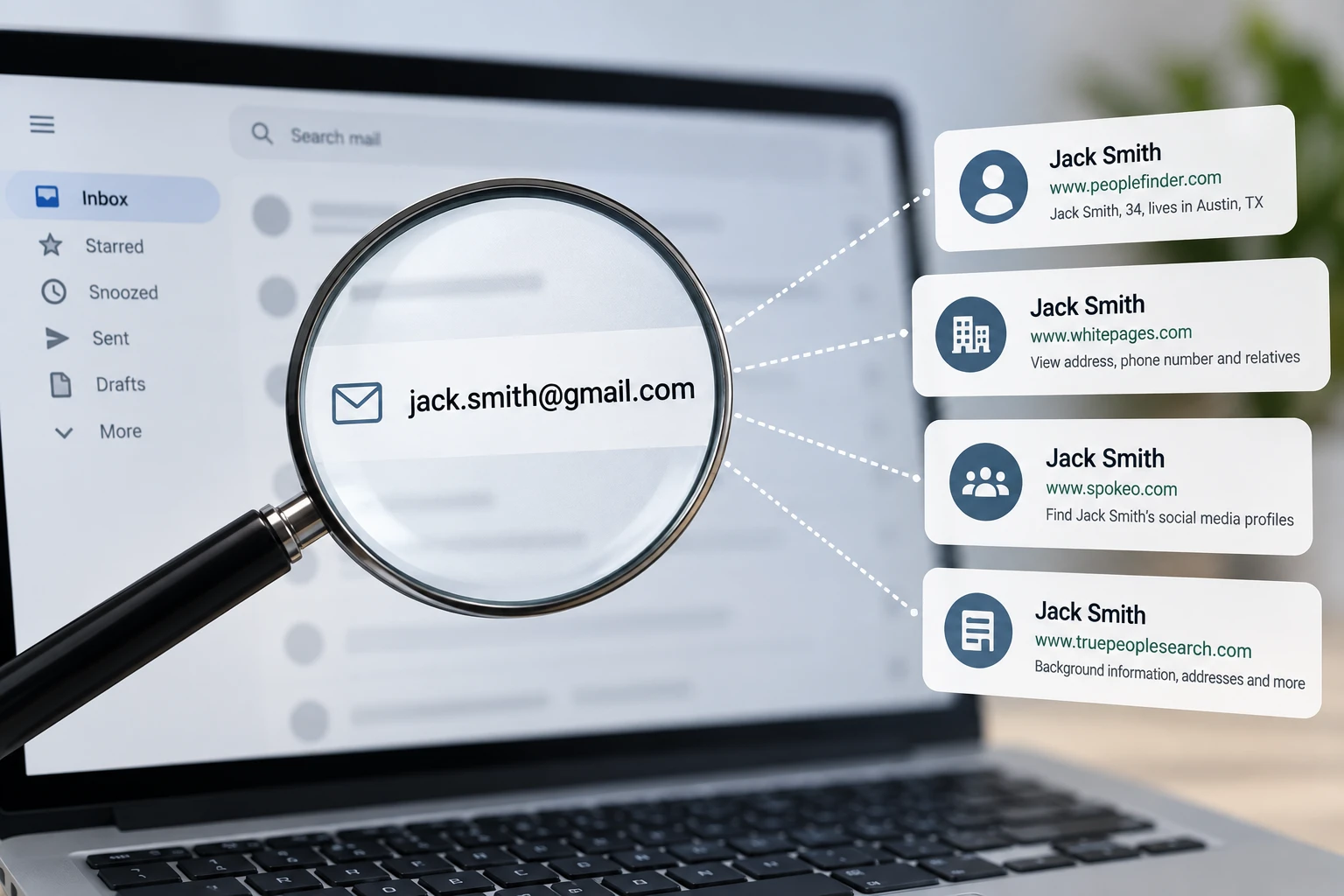
An email address can become a surprisingly strong identifier when it has been reused across accounts, public profiles, breach data and people-search databases. Here's what that means for your privacy.
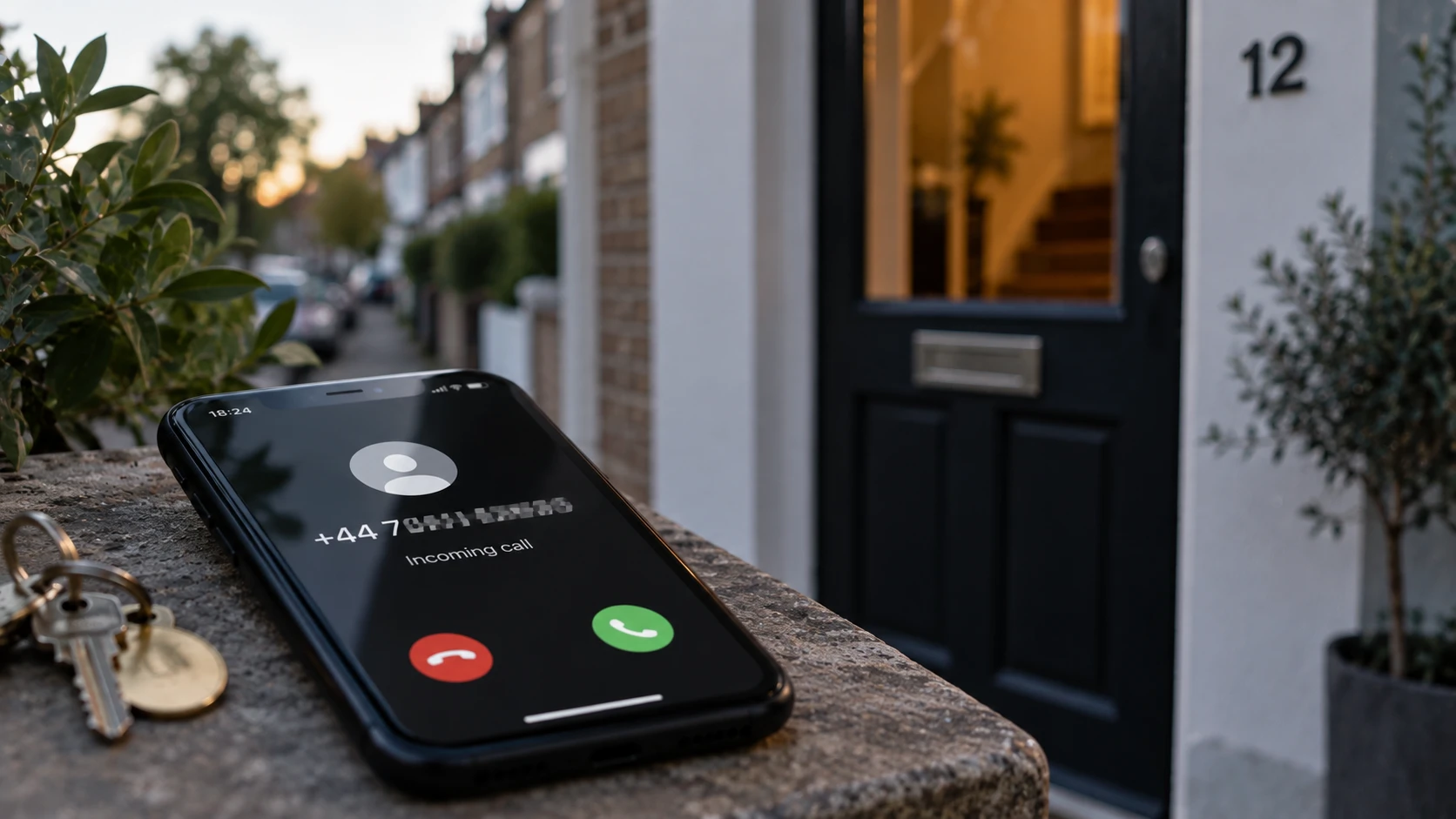
Sometimes a phone number can be connected to an address through public records, people search databases or business listings. That doesn't mean every number reveals a home address, but it's worth knowing what your own number exposes.
Woman reviewing online search results on a laptop during a digital footprint self-check
Run an eight-step digital footprint audit, record accurate exposure and prioritise what to remove, correct or secure.
Person holding a phone displaying a woman’s photograph, illustrating online discoverability
A stranger rarely needs one giant database to learn a surprising amount about you. The privacy problem is how easily small pieces of information can now be connected.

Reviews

Incogni logo

Incogni Review 2026: Is It Worth Paying For?

My verdict on Incogni’s plans, UK and US pricing, recurring broker requests, custom removals and the evidence behind its progress figures.
Optery logo

Optery Review 2026: Is It Worth Paying For?

My verdict on Optery’s free exposure report, paid plans, screenshot evidence, recurring removals and when I would choose an alternative.

Spynger vs uMobix: Which Crisis Monitoring App Handles Serious Situations Better?

Wondering whether Spynger or uMobix is the better option for uncovering hidden behaviour? On this page I compare pricing, features, stealth mode, and evidence gathering to see which app really lives up to its name.

PeopleFinders vs Intelius (2026): Which is Better?

PeopleFinders vs Intelius: which is better depends on what you need. PeopleFinders delivers quick, simple checks; Intelius offers more detail and depth. This review compares speed, pricing, and accuracy to help you choose the service that fits your situation best.

TruePeopleSearch: Is Free Reverse Lookup Worth The Risk?

TruePeopleSearch makes it easy to look up names, phone numbers, and addresses across the United States, without paying a dollar. However, what seems like a convenient free tool, as always, will come with serious privacy risks. Many users report that personal data reappears after removal requests, and the site provides little transparency about how information is handled. Our 2025 review explores why TruePeopleSearch continues to attract attention, but raises growing concerns about privacy, consent, and data control.

Norton 360 vs Aura: Which All-in-One Protection Actually Delivers?

We tested Norton 360 and Aura side by side as full security suites. Both promise all-in-one protection, but they don’t focus on the same threats. Norton led on antivirus and firewall defence, while Aura excelled in identity monitoring with faster fraud alerts and bigger insurance cover. In this review, i'll share how they compare, which performs better in what, and where they fell short, to help you decide if one is more worth the investment.

Aura vs Guardio 2026: Which Protection Do You Need?

Guardio focuses on blocking phishing, malicious sites, and shady extensions right in your browser. Aura goes further with identity theft monitoring, antivirus, VPN, and $5M theft insurance. This guide breaks down where Guardio is enough, where Aura wins, and when you might want both.

Aura vs LifeLock: Who Offers More Protection in 2026?

Aura and LifeLock both promise to shield you from fraud, but they take very different approaches. This head-to-head review highlights which offers faster alerts, stronger insurance, and better overall value in 2026.

Aura vs Identity Guard (2026): What's The Difference?

Aura vs Identity Guard is one of the most confusing comparisons in identity protection. They share the same parent company, yet work in very different ways. This guide breaks down what sets them apart in 2026, so you can see which is the right fit for your needs.

PeopleFinders Review (2026): Is It Reliable?

PeopleFinders promises easy access to public records, but is it really a legitimate way to find people and information, or just another generic search tool?
All reviews
Optery logo

Optery Review 2026: Is It Worth Paying For?

My verdict on Optery’s free exposure report, paid plans, screenshot evidence, recurring removals and when I would choose an alternative.
Incogni logo

Incogni Review 2026: Is It Worth Paying For?

My verdict on Incogni’s plans, UK and US pricing, recurring broker requests, custom removals and the evidence behind its progress figures.

Spynger vs uMobix: Which Crisis Monitoring App Handles Serious Situations Better?

Wondering whether Spynger or uMobix is the better option for uncovering hidden behaviour? On this page I compare pricing, features, stealth mode, and evidence gathering to see which app really lives up to its name.

mSpy vs Qustodio: Which Will Really Protect Your Kids?

Most parental control apps promise safety, but very few show the full story. In this honest mSpy vs Qustodio review, I look at real visibility: deleted chats, hidden apps, pricing and all features to see what parents can actually learn when things start to go wrong.

PeopleFinders vs Intelius (2026): Which is Better?

PeopleFinders vs Intelius: which is better depends on what you need. PeopleFinders delivers quick, simple checks; Intelius offers more detail and depth. This review compares speed, pricing, and accuracy to help you choose the service that fits your situation best.

TruePeopleSearch: Is Free Reverse Lookup Worth The Risk?

TruePeopleSearch makes it easy to look up names, phone numbers, and addresses across the United States, without paying a dollar. However, what seems like a convenient free tool, as always, will come with serious privacy risks. Many users report that personal data reappears after removal requests, and the site provides little transparency about how information is handled. Our 2025 review explores why TruePeopleSearch continues to attract attention, but raises growing concerns about privacy, consent, and data control.

mSpy vs Bark: Which Protection Will Keep Your Kids Safer?

Parenting today means facing challenges our parents never imagined – AI chatbots pretending to be friends, cyberbullying hidden in jokes, and strangers using gaming platforms to build trust. mSpy and Bark both mark themselves as a parental control tool, but they approach protection in their own ways. In this review, i'll explain what they do, how they compare, and which tool I would pick for my family.

Norton 360 vs Aura: Which All-in-One Protection Actually Delivers?

We tested Norton 360 and Aura side by side as full security suites. Both promise all-in-one protection, but they don’t focus on the same threats. Norton led on antivirus and firewall defence, while Aura excelled in identity monitoring with faster fraud alerts and bigger insurance cover. In this review, i'll share how they compare, which performs better in what, and where they fell short, to help you decide if one is more worth the investment.

Aura vs Guardio 2026: Which Protection Do You Need?

Guardio focuses on blocking phishing, malicious sites, and shady extensions right in your browser. Aura goes further with identity theft monitoring, antivirus, VPN, and $5M theft insurance. This guide breaks down where Guardio is enough, where Aura wins, and when you might want both.

Aura vs LifeLock: Who Offers More Protection in 2026?

Aura and LifeLock both promise to shield you from fraud, but they take very different approaches. This head-to-head review highlights which offers faster alerts, stronger insurance, and better overall value in 2026.

Aura vs Identity Guard (2026): What's The Difference?

Aura vs Identity Guard is one of the most confusing comparisons in identity protection. They share the same parent company, yet work in very different ways. This guide breaks down what sets them apart in 2026, so you can see which is the right fit for your needs.
aura vs bark

Aura vs Bark: Which Protection Does Your Family Need?

Aura safeguards your family’s finances and identity with $5M insurance, while Bark monitors 30+ platforms to catch cyberbullying and predators. Both excel in their own lanes, but if you had to choose just one, which should come first?

HireRight Review (2026): Legacy Giant or Outdated?

HireRight is one of the oldest and most widely used background check companies, trusted by global corporations and government agencies. But with newer platforms offering faster, more transparent tools, the question is whether HireRight is still ahead, or stuck in its legacy systems.

PeopleFinders Review (2026): Is It Reliable?

PeopleFinders promises easy access to public records, but is it really a legitimate way to find people and information, or just another generic search tool?

Sterling Review 2026: Trusted by Big Brands, Worth It for You?

Sterling has built its reputation on handling background checks for some of the world’s largest companies. The promise is clear: fast, accurate, and compliant screening at scale. But does that same level of service translate when you’re a smaller business hiring a handful of people? I dug into Sterling’s process, pricing, and user experience to see if the premium reputation really matches day-to-day results.(Note: In late 2024, Sterling was acquired by First Advantage, another leading screening company, in a $2.2B deal. The Sterling brand is currently transitioning to First Advantage’s name, but for this review we’ll refer to the product as ‘Sterling’ since the platform and services remain the same.)
GoodHire Review 2026: Worth the Cost for Small Businesses?

GoodHire positions itself as the go-to tool for small businesses and HR teams that need reliable, legally compliant background checks. From criminal records to employment verification, it claims to cover all the essentials while staying FCRA-compliant. But how well does it actually work in practice, and is it worth the cost compared to other services? In this review, I’ll share what stood out, where it struggled, and who GoodHire is really best for.

BeenVerified Review 2026: Is It Legit and Reliable?

BeenVerified brings phone searches, people searches and public records together in one place. If you’re trying to identify an unfamiliar caller or check the details someone has shared online, the appeal is clear. The question is how much you can rely on what comes back. In this BeenVerified review, I looked at the range of search tools, the information in its reports and the subscription costs. I wanted to see where it could save time, what still needed checking and whether there was enough value to justify paying for it.

Intelius Review 2026: Is It Legit, Safe and Worth Paying For?

Intelius claims to uncover everything from contact details and previous addresses to relatives and public records. But how much of that information is actually accurate, and is it worth paying for?

TruthFinder Review (2026): Scam or Legit?

TruthFinder produced large, detailed US people-search reports in the original review, bringing addresses, contact information and other associated records into one place. The amount of information was useful, but it did not make every entry accurate. Its subscription model and US focus matter as much as the report depth. This review also considers the 2023 FTC enforcement case and the distinction between personal research and regulated screening.

Instant Checkmate Review (2026): Are Its Checks Reliable?

Instant Checkmate claims to run quick, accurate background checks using public records. But do the results really hold up in practice, or is it just surface-level data?

Spokeo Review (2026): Does It Really Find People Online?

Spokeo combines possible contact details, addresses and public profiles in a people-search report. It is appealing when you have one clue, such as an unfamiliar number or an old name, and want enough context to decide what to check next. In this Spokeo review, I revisit the earlier searches, including finding an old friend and checking a telemarketing number, alongside the records that needed more care. I also explain the subscription and app claims that could not be confirmed for the current service.

PeopleLooker Review (2026): Is It a Legit Background Checker?

PeopleLooker combines name, phone number, email and address searches in one subscription. I wanted to see how useful its reports actually were, how reliable the information was and whether it offered enough value to justify paying for it. Here's what I found.

CheckPeople Review (2026): Are Its Results Accurate?

CheckPeople advertises quick and easy background searches. But does it really provide accurate results, or just a bundle of basic public data?

Hoverwatch Review (2026): Is It the Best Tracker?

Hoverwatch promises a detailed view of calls, messages and computer activity. I wanted to know how useful all that information would actually be, and whether having more to look through made it worth paying for.

Scannero Review (2026): Can You Really Track With a Number?

Scannero promises a simple way to find any phone’s location using only its number. Instead of installing software, it sends a text link that reveals live GPS data once clicked. It’s quick, easy, and ideal for one-off checks, but is it accurate enough to trust, and how useful is it compared to full monitoring apps?

Spynger Review 2026: My Honest Take

Spynger is built around a specific question: can the activity on a phone help you work out whether someone is hiding something? Messages, dating apps and location history are central to its pitch, so I wanted to see how useful that information would be without knowing the answers in advance. My wife and I turned the review into a two-week challenge. She used an Android phone with Spynger installed and deliberately hid activity from me. My job was to work out what she had done through the dashboard. We only compared the results at the end.

EyeZy Review (2026): Is It Worth The Risk?

eyeZy positions itself as an all-in-one parental control app designed to give parents full oversight of a child’s digital life. It promises access to texts, calls, GPS and social media, plus extras like keyword alerts and app blocking. That makes it sound like a balanced mix of monitoring and control – but does it live up to the promise, or is it just another spy app in disguise?
spybubble-logo

SpyBubble Review (2026): Does It Catch Cheaters?

SpyBubble promises to give you quick insight into calls, texts, and apps without drowning you in unnecessary features. I spent several weeks testing it across iOS and Android devices to see if it really works. What I found was a no-frills spy app that delivers the essentials smoothly – but it’s not without trade-offs.

uMobix Review (2026): Is This Phone Tracker Worth It for Parents?

uMobix offers real-time tracking across 30+ social platforms, messages, calls, GPS, and even live device access. But does it provide real parental control, or it just surveillance?

mSpy Review 2026: My Results on Android and iPhone

mSpy brings messages, app activity, location and typed activity into one dashboard. For parents trying to understand a concern that screen-time figures can’t explain, that level of detail is its main appeal. What you can see depends on the phone and how it is set up. In this mSpy review, I compared a Samsung Galaxy A52 with an iPhone 11 to see what information reached the dashboard. I looked at messages, location tracking, alerts and installation, alongside the subscription costs and privacy considerations that come with this depth of monitoring.

Life360 App Review: Is It Worth Paying for Family Safety?

The Life360 app goes beyond basic location sharing, adding crash detection, SOS alerts, and roadside assistance. I used it with my family for ten months, including during a real roadside emergency, and it proved both reassuring and occasionally frustrating. In this review, I’ll share how it performed, where it stood out, and whether the premium plans are really worth it.

Norton Family Review (2025): Still a Top Pick for Parental Controls?

Norton Family is designed to help parents keep kids safer online with time limits, app blocking, and web filters. But does it really stand out in a crowded parental control market? In this review, I’ll break down its features, how it works in everyday use, and whether it’s the right choice for your family.

Kidslox Review: Can One App Really Simplify Screen Time Battles?

Not every family needs complex parental controls or deep social media monitoring. Kidslox takes a different approach, focusing on reliable screen time limits, location tracking, and instant device lock when parents need it most. In this review, I’ll explain how it works in practice, what it does well, and where it falls short compared to more advanced options.

FamiSafe Review (2026): Is It the Best Parental Control App?

FamiSafe positions itself as an all-in-one parental control app, offering screen time limits, app blocking, GPS tracking, and content filtering. But is it the most reliable way to keep kids safe online? In this review, I’ll share how it works, what stood out in real use, and whether it’s worth the subscription for busy parents.

McAfee Review 2026: Antivirus, Total Protection and McAfee+

McAfee now offers far more than antivirus, but do the new McAfee+ plans really justify their price tags? As a team we put every tier to the test, from basic Antivirus and Total Protection to McAfee+ Ultimate, using them daily for six months. We uncovered strong protection, surprising new tools, and some frustrating trade-offs you should know about before choosing a plan.

Identity Guard Review (2026): The Best Protection Out There?

Identity Guard has built its reputation as one of the longest-running identity protection services, offering monitoring, fraud alerts, and insurance against theft. I found it excellent at spotting risks and alerting me quickly, though lighter on extras like device security compared to newer all-in-one apps. In this review, I’ll share where it impressed, where it felt thin, and who should seriously consider it.

Norton LifeLock Review (2026): The Best Identity Protection?

Norton LifeLock isn’t antivirus software, it’s a dedicated identity theft protection service. It focuses on monitoring your personal and financial details, alerting you to risks, and backing you with insurance if the worst happens. In this review, I’ll explain how it works, who it’s best for, and whether it still earns its reputation as the industry leader.
Aura logo

Aura Review (2026): All-in-One Protection At Its Best?

Aura promises all-in-one protection for your identity, devices, and family, but is it worth the cost? In this review, I’ll break down what Aura offers, how it performs in real life, and whether it actually makes staying safe online easier.

Qustodio Review (2026): Can It Solve Your Parenting Worries?

With so many devices and distractions, keeping kids safe online can feel overwhelming. Qustodio is a parental control app designed to make things simpler by helping you manage screen time, block harmful content, and track activity across multiple devices. In this review, I’ll walk you through how Qustodio works, what features you get (even on the free plan), and whether it’s the right fit for your family.
net nanny review logo blue

Net Nanny Review (2026): Can It Still Keep Kids Safe?

Net Nanny has been one of the most trusted parental control apps for years, but in 2026, many parents are asking: does it still keep up with the way kids use tech today? As a parent myself, I wanted to find out if it really helps balance screen time, block harmful content, and protect kids without going overboard.
Norton logo

Norton 360 Review (2026): Does It Really Offer Full Protection?

If you’re searching for a security solution that protects all of your devices, Norton 360 is likely one of the first names you’ll find. In this review, i'll walk you through my experience with Norton 360, to help you decide whether it’s worth your time and money.
bitdefender logo

Bitdefender Review (2026): How Effective Is It Against AI Threats?

AI-driven attacks are getting smarter in 2026, making scams, fake emails, and malware harder to catch. With cybercriminals using more advanced tools, you need protection that can keep up. Bitdefender has long been a trusted name in antivirus, but can it still handle today’s evolving threats? In this review, I’ll break down how well it really performs, what features stand out, how it affects device speed, and whether it’s the right fit for your needs now.
All reviews

Why You Can Trust Us

At Digital Safety Squad, trust and transparency is at the core of everything we do. In a world where misinformation is rampant and sponsored content often clouds real advice, we’re committed to giving you honest, experience-backed recommendations you can rely on.

100+

Tested Tools

Zero Sponsored Content

Real Life Experiences

Transparent Rating Criteria

Independent